 Proudly Canadian
Basement waterproofing in Canada: causes, methods and what it costs
CentFix
Updated regularly · Canada-wide
Wet basements are rarely mysterious once someone looks at the whole picture: where the ground slopes, where the downspouts discharge, how old the weeping tile is, and whether the foundation has cracked. This guide explains the common causes, the honest differences between repair methods, and how to judge a quote for work that will largely be buried once it is done.
CentFix is a matching service. You describe the job once and we connect you with independent waterproofing contractors who serve your address. Licensing, insurance, warranties and reviews belong to the individual businesses that earned them. We route the request, they do the work.
Everything below applies to homes across Canada. It covers scope, what pushes a price up or down, realistic timelines, the rules that apply, seasonal factors, and the questions worth asking before anyone starts.
What basement waterproofing actually includes
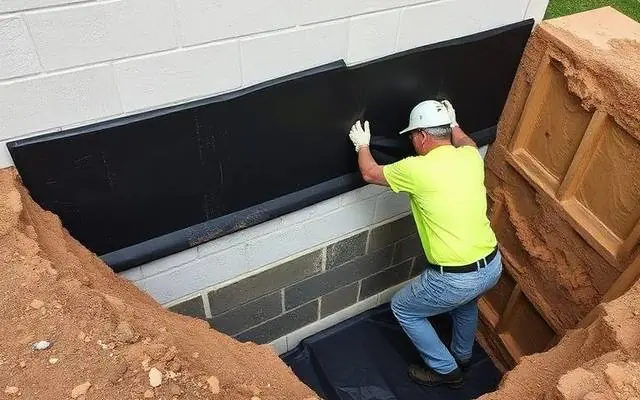
Waterproofing splits into managing water outside the foundation and managing it once it is already inside. Exterior work means excavating to the footing, cleaning and sealing the wall, applying membrane, and replacing the weeping tile with clean stone and filter cloth. It addresses the problem at the source and it is the more disruptive option.
Interior work means breaking the perimeter of the basement floor, installing drainage tile that leads to a sump pit, and dealing with the water once it reaches the inside face of the wall. It is less disruptive, keeps landscaping intact, and is often the practical choice on tight urban lots.
Then there are targeted repairs. A single non-structural crack in a poured wall can be injected from inside. A downspout discharging beside the foundation can be extended in an afternoon. Grading that slopes back toward the house can be corrected. Good contractors look at those before proposing anything larger.
- Exterior excavation, membrane and weeping tile replacement
- Interior perimeter drainage with sump pit and pump
- Crack injection for poured concrete walls
- Sump pump installation, replacement and battery backup
- Window well drainage and correction
- Grading, downspout and surface water corrections
What drives waterproofing costs up or down
Linear footage is the base measure, but access decides how workable the site is. Exterior work needs room for a machine and somewhere to put the soil. A deck, a driveway, mature landscaping or a neighbouring wall two metres away all change the method and the price.
Depth matters as much as length. A full basement requires far more excavation than a crawl space, and the deeper the footing the more shoring and care the dig needs.
Interior work is priced on what has to come out first. A finished basement means removing flooring and the lower part of the walls before anything begins, and restoring it afterwards is often quoted separately or excluded entirely.
- Linear feet of wall being treated and the depth of the foundation
- Interior versus exterior approach
- Site access for equipment and soil storage
- Whether a finished basement has to be opened up and restored
- Sump pump, backup power and discharge routing
- Landscaping, walkway or driveway reinstatement after excavation
Describe the job once and independent waterproofing contractors who service your address will come back with quotes you can compare.
How long waterproofing work takes, and how soon someone can come
Crack injection is usually a couple of hours. A sump pump install is typically a day. Interior perimeter systems run several days depending on the footage and how much demolition is needed first.
Exterior work is the long one, commonly a week or more for a full perimeter, and it is weather and season dependent. Excavation in frozen ground is slow and expensive, so most exterior work is scheduled from late spring through autumn.
How to choose the right waterproofing contractor
Be wary of anyone who proposes a full system before investigating downspouts, grading and the location of the water. The cheapest real fix in this trade is often drainage outside the house, and a contractor who mentions it first is being straight with you.
Warranties in this trade are a selling point and worth reading carefully. Look at what is actually covered, whether it is transferable to a buyer, and whether it survives if the company changes hands.
- A written diagnosis explaining where the water is entering and why
- Insurance and workers' compensation, excavation is high-risk work
- Warranty terms in writing, including transferability and exclusions
- Whether restoration of floors, walls and landscaping is included
- Locates arranged before any digging begins
Questions to ask before you hire a waterproofing contractor
Nobody expects you to know the trade. These questions are the ones that separate a company that has thought the job through from one that is guessing on the phone.
- Where do you believe the water is entering, and what led you to that?
- Have you looked at grading and downspout discharge before proposing a system?
- Interior or exterior, and why is that the right choice for my house?
- What does the warranty actually cover, and does it transfer if I sell?
- Who restores the floor, walls or garden afterwards?
- Does this include a sump pump, and is a backup recommended here?
Tell us what the job involves and compare quotes from waterproofing contractors nearby. It costs you nothing.
Permits, rules and who is allowed to do the work
Excavation near a foundation usually requires a permit, and underground utility locates are mandatory before any dig. A contractor who suggests skipping locates is telling you how the rest of the job will go.
Sump discharge is regulated in many municipalities. Pumping into the sanitary sewer is prohibited in most places because it overloads the system during storms, and the fix is a proper exterior discharge point away from the foundation.
Several municipalities run subsidy programs for backwater valves, sump pumps and downspout disconnection, since these reduce load on municipal systems. It is worth checking what is offered locally before committing to a scope.
Seasonal timing and Canadian conditions
Spring is when the problem shows itself. Frozen ground, melting snow and saturated soil combine to push water at the foundation from every direction, which is why the calls peak in March and April.
Autumn is the better time to do the work. Ground is workable, rain is less relentless than spring, and completing before freeze-up means the backfill settles over the winter rather than leaving a trench through the wet season.
Common mistakes that cost homeowners money
The recurring mistake is treating the inside of the wall while ignoring where the water comes from. Sealing paint on a block wall hides the symptom until pressure finds another route, and it complicates the real repair later.
- Applying interior sealant paint as a substitute for drainage
- Leaving downspouts discharging within a metre of the foundation
- Finishing a basement before resolving a known moisture problem
- Skipping a battery backup on a sump pump in an area with storm outages
- Accepting a lifetime warranty without reading what voids it
Getting the longest life out of the work
Waterproofing systems are largely passive, but the moving parts and the surface water management need attention if the work is going to keep doing its job.
- Test the sump pump a few times a year by filling the pit
- Keep eavestroughs clear and extend downspouts well away from the wall
- Watch for soil settling against the foundation and re-grade as needed
- Keep window wells clear of leaves and confirm their drains still work
- Check the discharge line for freezing in winter
Where CentFix fits in
CentFix is not a waterproofing company. We do not send crews, set prices or hold the warranty. What we do is take one clear description of your job and put it in front of independent waterproofing contractors who already work in your area, so you get several real quotes instead of spending an afternoon leaving voicemails.
Homeowners never pay us. The professionals you hear from run their own businesses, carry their own licensing and insurance, and stand behind their own work. Read what comes back, ask follow-up questions, and hire the one whose answers make sense to you.