 Proudly Canadian
Handyman services in Canada: what they cover, what they cost, and when to call a specialist
CentFix
Updated regularly · Canada-wide
A good handyman saves you the awkward middle ground: jobs that a plumber or electrician would charge a full call-out for, and that you would rather not spend a Saturday learning. This guide covers what falls inside that scope, how the pricing normally works, and where the line sits between a handyman job and licensed work.
CentFix is a matching service. You describe the job once and we connect you with independent handymen who serve your address. Licensing, insurance, warranties and reviews belong to the individual businesses that earned them. We route the request, they do the work.
Everything below applies to homes across Canada. It covers scope, what pushes a price up or down, realistic timelines, the rules that apply, seasonal factors, and the questions worth asking before anyone starts.
What handyman work actually includes
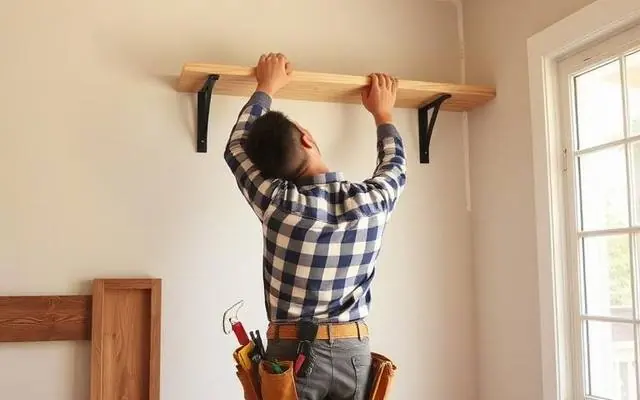
Handyman work spans carpentry, minor repairs, assembly, mounting, patching and general maintenance. Typical visits include fixing sticking doors, replacing hardware, repairing drywall, installing shelving and blinds, mounting televisions, sealing around tubs and sinks, and swapping like-for-like fixtures.
Most also handle small exterior tasks: fence board replacement, deck repairs, weatherstripping, caulking, gutter clearing and general seasonal maintenance. Some carry insurance and equipment for higher work, some do not, which is worth confirming when the job involves a ladder.
What they generally do not do is licensed work. New electrical circuits, gas connections and structural changes belong to licensed trades, and a handyman who is straight with you will say so rather than taking it on.
- Small carpentry, trim, shelving and furniture assembly
- Drywall patching, sanding and touch-up painting
- Door adjustments, hardware and lock replacement
- Mounting televisions, mirrors, blinds and cabinets
- Minor plumbing swaps such as taps, toilet parts and caulking
- Seasonal maintenance, gutter clearing and weatherproofing
What drives handyman costs up or down
Time is the unit here. Most handymen work to an hourly or half-day rate with a minimum, which is why bundling jobs matters so much. Two hours of work spread over two visits costs considerably more than the same two hours in one.
Materials, disposal and travel form the rest. Some tradespeople supply materials with a markup, others prefer you buy them, and both are reasonable as long as it is agreed in advance.
Difficulty of access affects the estimate as well: high ceilings, plaster instead of drywall, and older houses where nothing is square all take longer than the same task in a newer home.
- Hourly or half-day rate and any minimum charge
- How many tasks are bundled into one visit
- Whether materials are supplied by the tradesperson or by you
- Access, ceiling height and whether ladders or staging are needed
- Age and construction of the house, plaster and old framing slow things down
- Disposal of old fixtures, packaging or debris
Describe the job once and independent handymen who service your address will come back with quotes you can compare.
How long handyman work takes, and how soon someone can come
Small jobs are usually booked within days rather than weeks, and a typical visit runs two to four hours. Booking a half day for a list of tasks is the most efficient way to use the trade.
Spring and early summer are the busiest stretch, when everyone's deferred list comes out at once. Autumn maintenance bookings also cluster. Off-peak weeks in mid-winter usually mean quicker availability.
How to choose the right handyman
Ask what they do most. Handyman is a broad label, and someone whose background is carpentry brings different strengths than someone who came from maintenance or renovation. Match that to the list you actually have.
Insurance is the practical differentiator. Work in your home carries risk, and an insured tradesperson protects you if something goes wrong while a ladder is against your wall.
- Liability insurance covering work inside your home
- A clear rate structure, hourly or half day, with the minimum stated
- Whether they are comfortable with your specific list before booking
- Which tasks they will refer to a licensed trade instead
- Any guarantee on the work performed
Questions to ask before you hire a handyman
Nobody expects you to know the trade. These questions are the ones that separate a company that has thought the job through from one that is guessing on the phone.
- Which of the items on my list can you handle, and which need a licensed trade?
- Do you charge hourly or by the job, and is there a minimum?
- Do you supply materials, and how is that billed?
- Can you fit all of this into one visit?
- Are you insured for work inside the house and on ladders?
- Do you clean up and remove old materials?
Tell us what the job involves and compare quotes from handymen nearby. It costs you nothing.
Permits, rules and who is allowed to do the work
Handyman work itself is not licensed, which is precisely why the boundaries matter. Electrical circuits, panel work and gas connections require licensed trades in every province, regardless of how simple the task appears.
Structural changes, including removing any wall you are not certain is non-load-bearing, need a permit and often an engineer. That is not handyman territory even when someone offers to do it.
For rental properties and condos, building rules may require proof of insurance before a contractor is allowed to work, so it is worth checking with property management before booking.
Seasonal timing and Canadian conditions
The list changes with the calendar. Autumn brings weatherstripping, gutter clearing, hose bibb shutoffs and draft sealing. Spring brings deck repairs, fence boards, screens and everything that broke over winter.
Winter is mostly indoor work, and it is often the easiest time to get a booking. If your list is interior, mid-winter is a good stretch to clear it.
Common mistakes that cost homeowners money
The most common waste of money is calling a specialist for something a handyman could handle, or the reverse, asking a generalist to take on licensed work because it seemed cheaper.
- Booking separate visits for jobs that could be bundled
- Asking a handyman to do electrical or gas work
- Not agreeing on materials and who buys them before the visit
- Leaving small water leaks and sticking doors until they cause damage
- Hiring without insurance for work at height
Getting the longest life out of the work
A regular maintenance visit, once or twice a year, keeps the small list from becoming a large one. Most of what turns into an expensive repair started as something that took ten minutes.
- Keep a running list rather than calling for each item
- Re-caulk tubs, sinks and exterior joints before they fail
- Tighten door and cabinet hardware annually
- Clear gutters twice a year, more with mature trees nearby
- Check for slow leaks under sinks when the seasons change
Where CentFix fits in
CentFix is not a handyman company. We do not send crews, set prices or hold the warranty. What we do is take one clear description of your job and put it in front of independent handymen who already work in your area, so you get several real quotes instead of spending an afternoon leaving voicemails.
Homeowners never pay us. The professionals you hear from run their own businesses, carry their own licensing and insurance, and stand behind their own work. Read what comes back, ask follow-up questions, and hire the one whose answers make sense to you.