 Proudly Canadian
Windows and doors in Canada: replacement, repair and what actually matters
CentFix
Updated regularly · Canada-wide
Windows are sold on efficiency ratings and bought on comfort. The two usually line up, but not always, and installation quality decides which one you get. This guide covers the difference between retrofit and full-frame work, what the ratings mean in a Canadian climate, and how to compare quotes for products that are never quite identical.
CentFix is a matching service. You describe the job once and we connect you with independent window and door installers who serve your address. Licensing, insurance, warranties and reviews belong to the individual businesses that earned them. We route the request, they do the work.
Everything below applies to homes across Canada. It covers scope, what pushes a price up or down, realistic timelines, the rules that apply, seasonal factors, and the questions worth asking before anyone starts.
What window and door work actually includes
Replacement comes in two forms. A retrofit or insert fits a new sealed unit and frame inside the existing opening, keeping the exterior finish intact. Full-frame replacement removes everything down to the rough opening, which is the only way to deal with rot, air leakage around the frame, or an opening that was never flashed properly.
Repairs are worth considering more often than the sales pitch suggests. A fogged sealed unit can sometimes be replaced without touching the frame. Hardware, balances, cranks and weatherstripping are all replaceable, and a solid wood window that has been maintained can outlast a cheap replacement.
Exterior doors follow the same logic. A slab swap works when the frame is sound, while a pre-hung unit is the answer when the frame has moved, rotted, or was never square. Sliding and patio doors have their own failure pattern, usually rollers and tracks rather than the glass.
- Window replacement, retrofit inserts and full-frame installs
- Sealed unit replacement for fogged or broken glass
- Entry door, storm door and patio door replacement
- Hardware, balance, crank and weatherstripping repair
- Rot repair at sills, jambs and thresholds
- Trim, capping and interior finishing after install
What drives windows & doors costs up or down
Product accounts for a lot: frame material, whether the unit is double or triple glazed, low-emissivity coatings, gas fill and the grade of hardware. Custom sizes and shapes cost more than standard openings, and specialty glass adds again.
Installation method is the other half. Retrofit is faster and cheaper. Full-frame takes longer, may reveal rot, and involves interior and exterior finishing afterwards. A quote that looks low is often a retrofit compared against a full-frame competitor.
Access and height matter for upper storeys. Second and third floor openings need staging or lifts, and large fixed units may need extra hands to place safely.
- Number and size of openings, and whether sizes are standard or custom
- Frame material and glazing package
- Retrofit versus full-frame installation
- Rot or structural repair discovered at the opening
- Interior trim, exterior capping and finishing
- Upper-floor access requiring staging or a lift
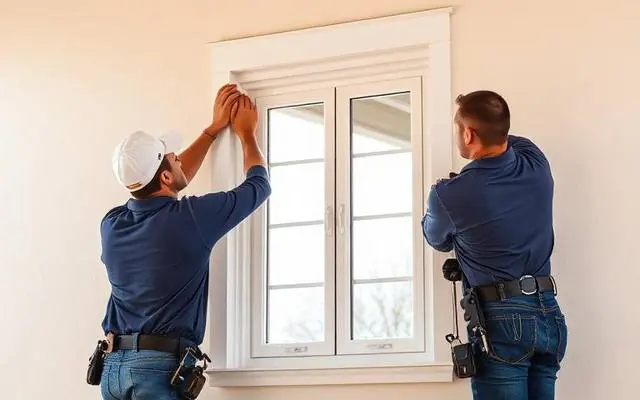
Describe the job once and independent window and door installers who service your address will come back with quotes you can compare.
How long windows & doors work takes, and how soon someone can come
Manufacturing lead time is usually the long pole. Custom windows commonly take several weeks from order to delivery, so booking a measured quote early matters if you have a target date.
Installation itself moves fast. Several retrofit windows can go in during a single day. Full-frame work runs a day or two per few openings once finishing is counted, and doors are usually a half day each.
How to choose the right window and door installer
Ask who does the installing. Some companies manufacture and install with their own crews, others subcontract, and installation is where most window complaints originate. Air sealing and proper flashing at the opening matter more to your comfort than a small difference in the rating on the sticker.
Then compare like with like. Ask each quote to state frame material, glazing, gas fill and installation method, so you can see whether the price difference is the product or the labour.
- Whether the installers are employees or subcontractors, and who warranties the labour
- Product specifications in writing, including glazing and frame material
- Whether the quote is retrofit or full-frame
- How the opening will be air sealed and flashed
- Warranty on both the units and the installation, with terms stated separately
Questions to ask before you hire a window and door installer
Nobody expects you to know the trade. These questions are the ones that separate a company that has thought the job through from one that is guessing on the phone.
- Is this a retrofit or full-frame install, and why is that right here?
- What happens if you find rot once the old unit comes out?
- What glazing package is included, and is triple glazing worth it in my climate zone?
- Who does the actual installation, and what is their labour warranty?
- Is interior trim and exterior capping included?
- What is the lead time from order to install?
Tell us what the job involves and compare quotes from window and door installers nearby. It costs you nothing.
Permits, rules and who is allowed to do the work
Permits are usually not needed for like-for-like replacement, but enlarging an opening, adding a new one, or changing an egress window in a bedroom or basement suite typically is, and egress sizing rules are strict for good reason.
Basement bedrooms in most provinces require a window meeting minimum egress dimensions. If you are finishing a basement, that requirement often drives the window selection more than efficiency does.
Efficiency programs and rebates come and go by province and utility, and eligibility usually depends on the product rating and on using an eligible installer. Ask whether the contractor handles the paperwork.
Seasonal timing and Canadian conditions
Windows can be installed year round, and reputable installers do one opening at a time so the house is never open for long. That said, sealants and foams have temperature ranges, and spring through autumn gives better conditions for exterior finishing.
Winter is when people discover which openings leak. Feeling a draft or seeing frost on the inside of a frame in January is useful diagnostic information, so note where it happens and mention it when you book the quote.
Common mistakes that cost homeowners money
The frequent regret is buying on the sticker rating and ignoring installation. A well-rated window fitted with a gap stuffed with insulation and no air barrier will still be draughty, and no warranty covers being cold.
- Comparing quotes without checking retrofit against full-frame
- Replacing windows while ignoring obvious rot in the surrounding frame
- Choosing the largest possible glass area with no thought to how it will be cleaned or shaded
- Skipping egress requirements in a basement bedroom
- Paying a large deposit to a company with no local track record
Getting the longest life out of the work
Modern units need little, but the parts that do need attention are the ones that fail expensively when neglected: seals, drainage and moving hardware.
- Keep weep holes at the bottom of frames clear so water can escape
- Clean and lubricate crank mechanisms and sliding tracks annually
- Inspect exterior caulking each spring and reseal where it has split
- Wipe condensation off frames in winter before it damages finishes
- Watch for soft spots at wooden sills and address them before they spread
Where CentFix fits in
CentFix is not a windows & doors company. We do not send crews, set prices or hold the warranty. What we do is take one clear description of your job and put it in front of independent window and door installers who already work in your area, so you get several real quotes instead of spending an afternoon leaving voicemails.
Homeowners never pay us. The professionals you hear from run their own businesses, carry their own licensing and insurance, and stand behind their own work. Read what comes back, ask follow-up questions, and hire the one whose answers make sense to you.