Proudly Canadian
Toilet Drain Unclogging in Canada: what's involved, what it costs, and how to hire
CentFix
Updated regularly · Canada-wide
If you're looking into toilet drain unclogging, you probably want three things answered: what the work actually involves, what it's likely to cost, and how soon someone can get to it. This guide covers all three in plain language so you can have a useful conversation with a plumber instead of a guessing match over the phone.
CentFix is a matching service. You describe the job once and we route it to independent professionals who serve your address. Licences, insurance, warranties and reviews belong to the individual businesses that earned them, we connect you, they do the work.
Everything below applies across Canada and reflects how drain work is normally handled in houses, condos and small commercial properties, including the seasonal and code realities that shape the job here.
What toilet drain unclogging actually involves
Drain work is diagnostic before it is mechanical. A plumber arriving for toilet drain unclogging first works out how far the blockage sits from the fixture and how much of the system is affected. One slow sink means a local trap or branch line. Two fixtures on the same wall points at the branch they share. Everything on the lowest floor backing up at once, including a floor drain, points at the main line to the street.
Clearing methods differ more than most homeowners expect. A hand auger handles a hair or soap clog inside a metre or two of the fixture. A drum machine with a cutting head reaches through the branch and into the stack. High-pressure water jetting scours the full diameter of the pipe rather than punching a hole through the middle of a grease layer, which is why a jetted line often stays clear far longer than a snaked one. Camera inspection sits alongside all of it, showing whether the pipe itself is intact.
Good technique also protects the pipe. Old cast iron with a scaled, flaking interior does not react the same way to an aggressive cutter as modern ABS. Clay tile joints in an older sewer can be cracked by the wrong head at the wrong speed. This is why experienced drain crews look before they cut, and why a quote that includes a camera pass is usually worth more than one that does not.
- Locating the blockage before choosing a method
- Hand auger, drum machine or high-pressure jetting depending on the line
- Camera inspection where the cause is unclear or the problem repeats
- Cleanout access, or pulling a fixture where no cleanout exists
- A report on pipe condition, not just a cleared line
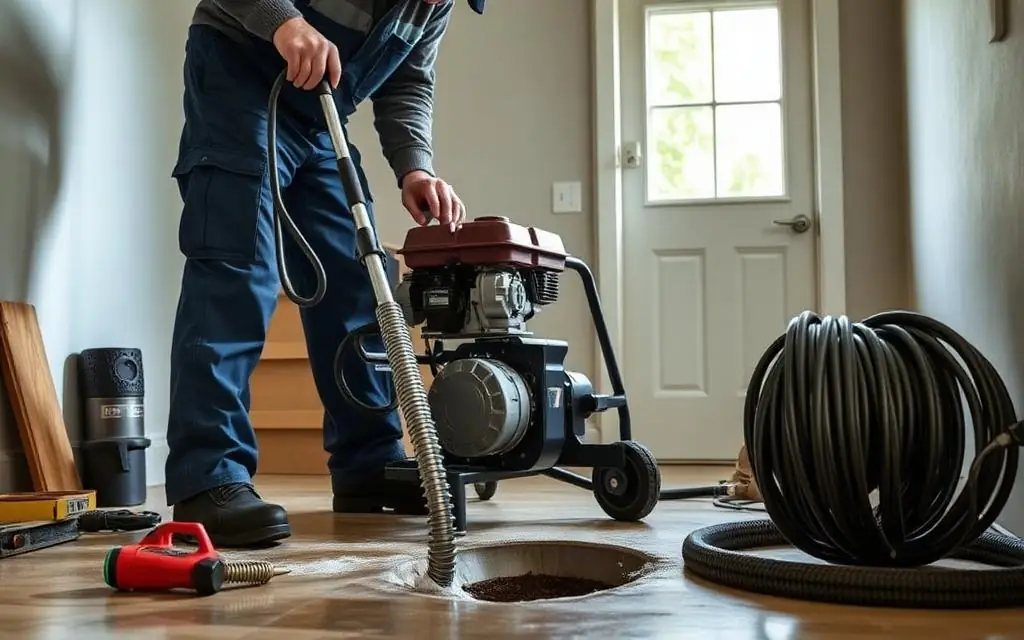
Describe what's backing up and compare quotes for toilet drain unclogging from plumbers near you.
Why drains block in the first place
Kitchen lines fail from fats and oils that pour warm and set cold, catching coffee grounds and food solids until the pipe narrows to a straw. Bathroom lines fail from hair bound with soap scum. Basement and main lines fail from a wider range of causes: fine tree roots finding a joint, a section of pipe that has sagged and now holds standing water, so-called flushable wipes that never break down, and in older homes the slow scaling of cast iron until the effective diameter is half what it was.
Timing gives away the cause. A blockage that arrives suddenly after a large family gathering is usually a load problem. One that has been getting slower for months is a build-up. One that returns every spring, or every time it rains heavily, usually means roots or groundwater entering a damaged line. Tell the plumber the pattern; it changes the tooling they bring.
Prevention is unglamorous and effective. Grease into a jar, a hair catcher in the shower, only paper down the toilet, and a periodic hot-water flush of the kitchen line. For houses with mature trees over the sewer lateral, a scheduled camera check every year or two is far cheaper than an emergency excavation.
What affects the price of toilet drain unclogging
The single biggest factor is access. A capped cleanout in an accessible basement is fast. No cleanout means pulling a toilet or removing a trap, adding time and reinstallation. Distance to the blockage matters too, since a longer run needs a bigger machine and a second set of hands.
Method drives cost next. Snaking is the cheaper option and the right one for a straightforward clog. Jetting costs more because the equipment costs more, but it clears the pipe wall properly. Camera work is priced separately by some companies and included by others; ask, because that alone explains many quote differences.
Then there's timing and condition. After-hours and weekend calls carry a premium everywhere in Canada. If the camera shows a broken or root-invaded section, the conversation moves from cleaning to repair, and that is a different quote entirely, usually spot repair, lining, or excavation.
- Whether an accessible cleanout exists
- Distance from access point to the blockage
- Snaking versus jetting versus camera-assisted work
- Emergency, evening, weekend or holiday timing
- Condition of the pipe once it's clear, and whether repair follows
How long it takes and what to expect on the day
Most drain calls are a single visit of one to three hours. A simple fixture clog can be done in under an hour. A main line with roots, cleared and then camera-verified, runs longer. Jetting a heavily greased commercial kitchen line can take most of a morning.
Clear the area beforehand. Empty the cabinet under the sink, move stored items away from the floor drain or cleanout, and keep pets out of the work zone. Expect some odour when a main line is opened, and expect the plumber to run water afterwards to confirm flow rather than declaring the job done at the first gurgle.
Ask for the camera footage if a camera was used. Reputable companies will show you the screen and explain what you're looking at. That recording is also useful evidence later if you decide to get a second opinion on a recommended repair.
Choosing the right plumber for drain work
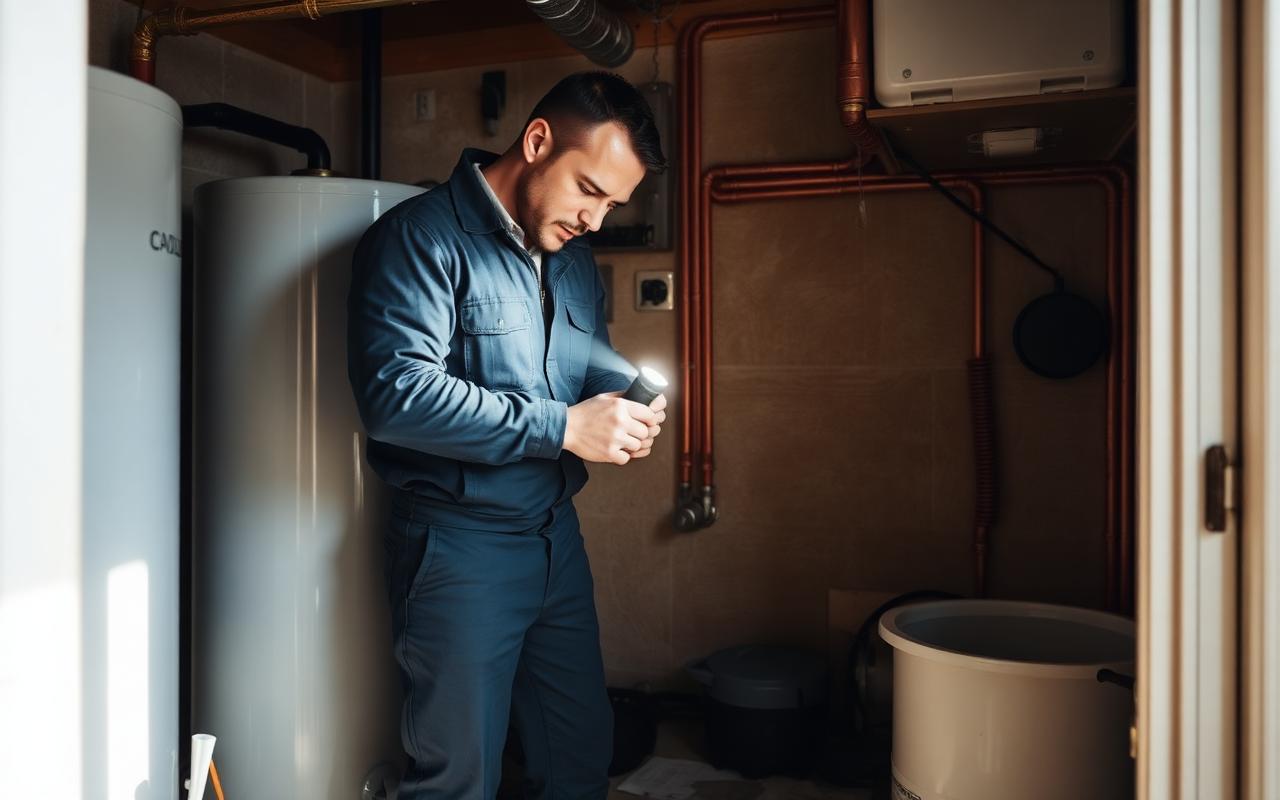
Plumbing is a regulated trade across Canada, so start with the licence number and confirm liability insurance and workers' compensation coverage. For drain work specifically, ask what equipment is on the truck. A company that only carries a small hand machine will tell you the line needs excavation more often than one carrying a jetter and a camera.
Ask how they price: flat rate per drain, hourly, or a diagnostic fee credited against the work. All three are legitimate; what matters is knowing before they arrive. Ask also whether the clearing carries any guarantee, some companies warranty a cleared main for thirty or ninety days, which tells you they intend to fix the cause rather than book a repeat visit.
- Provincial licence number you can verify
- Liability insurance and workers' compensation coverage
- Jetting and camera capability, not just a hand auger
- Clear pricing structure quoted before arrival
- A written note of what was found and what was done
One short description, several quotes back from plumbers who do this work every week.