Proudly Canadian
Plumbing Home Inspection in Canada: what's involved, what it costs, and how to hire
CentFix
Updated regularly · Canada-wide
If you're looking into plumbing home inspection, you probably want three things answered: what the work actually involves, what it's likely to cost, and how soon someone can get to it. This guide covers all three in plain language so you can have a useful conversation with a plumber instead of a guessing match over the phone.
CentFix is a matching service. You describe the job once and we route it to independent professionals who serve your address. Licences, insurance, warranties and reviews belong to the individual businesses that earned them, we connect you, they do the work.
Everything below applies across Canada and reflects how plumbing work is normally handled in houses, condos and small commercial properties, including the seasonal and code realities that shape the job here.
What to expect from plumbing home inspection
Plumbing splits into three systems that behave differently. Supply is everything under pressure: the main shutoff, the lines feeding fixtures, valves and the water heater. Drain, waste and vent moves by gravity: traps, branches, the main stack, the sewer lateral and the vents that let it all flow. Fixtures and appliances sit at the ends. Plumbing Home Inspection can touch any of the three, and a good plumber identifies which before quoting.
A typical service visit follows a pattern. The plumber confirms the symptom, isolates the affected section, inspects what's accessible, and explains findings before starting work. Anything that turns out bigger than expected should trigger a conversation and a revised price, not a surprise on the invoice.
Plumbing is a compulsory-certification trade in most provinces, which means the person doing the work should hold a journeyperson certificate or be an apprentice working under one. That's worth verifying, particularly for anything involving gas, the water service, or work that will be closed inside a wall.
- Diagnosis before pricing, and a clear explanation of findings
- Licensed tradespeople, verifiable by certificate number
- Written quote covering parts, labour and any exclusions
- Permit where the work requires one
- Invoice describing exactly what was done
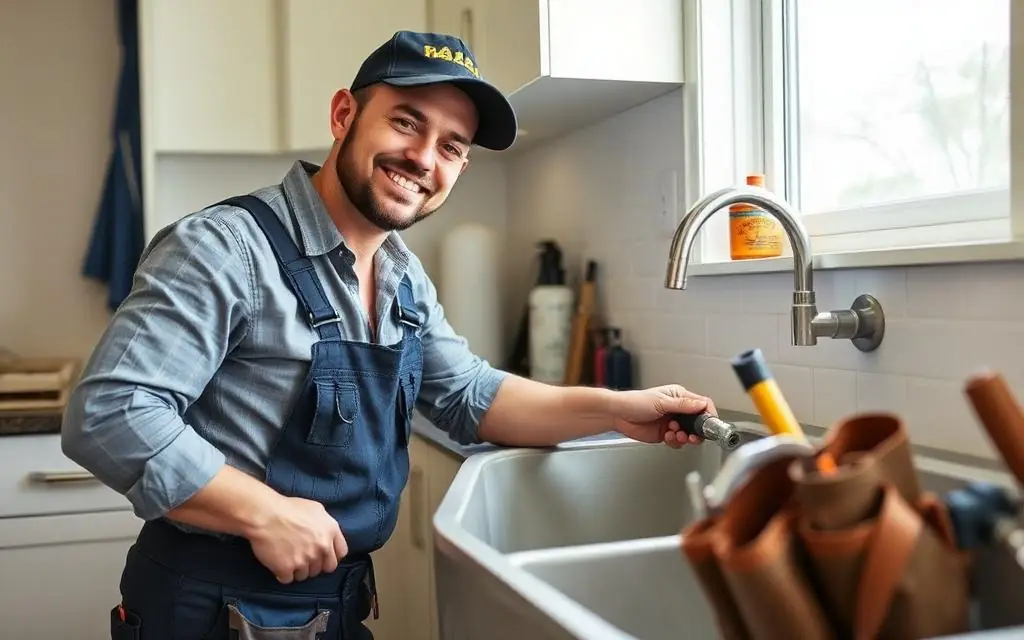
Describe the job once and get quotes for plumbing home inspection from plumbers near you.
What actually drives the price
Access is the biggest factor and the one homeowners least expect. A valve in an open basement is a short job. The same valve behind finished drywall, above a dropped ceiling, or in a crawl space takes hours longer and usually means a second trade to close things back up.
Age of the plumbing matters nearly as much. Modern PEX and ABS are quick to work with. Older houses bring galvanised steel that shears under a wrench, cast-iron stacks needing specialty couplings, and fixtures whose parts stopped being made decades ago. Honest plumbers flag that risk before starting.
Then timing and location: after-hours and weekend premiums, travel to rural addresses, two-person jobs, and anything requiring a permit or excavation. Ask which of these apply to your job when you get the quote.
- Open access versus finished walls, ceilings or crawl space
- Age and material of the existing plumbing
- Scheduled work versus emergency and after-hours
- Parts availability, especially for older fixtures
- Restoration of drywall, tile and paint
- Permits and inspections where required
Getting a quote that reflects the real job
The quality of a quote follows the quality of your description. Spend five minutes before requesting pricing: photograph the fixture and the area under or behind it, note the age of the house, when the problem started, and whether it's constant or intermittent. Mention what you've already tried.
Describe symptoms rather than diagnoses. "Water stains on the ceiling under the upstairs bathroom, worse after a shower" gives a plumber a shortlist. "Leaking pipe" gives them a reason to book a site visit to find out.
For anything beyond a small service call, get two or three quotes in the same week and ask everyone the same questions in the same order. If one number is far lower, ask what's excluded, restoration, disposal and a second visit for ordered parts explain most gaps.
Response times and how long work takes
Genuine emergencies, water you can't shut off, sewage in the house, no water in freezing weather, are usually attended within hours by companies running emergency dispatch, at a premium rate. Routine repairs and fixture replacements book within a few days to two weeks. Larger projects with permits or ordered materials run longer, particularly during the spring and fall rush.
On-site duration is a separate question. Most service calls finish in one visit of one to three hours. Two-visit jobs are normal when a part has to be ordered, when a wall needs to dry, or when an inspection sits between stages.
If timing matters, say so before agreeing to anything and get it written: start date, expected working days, and what happens if the schedule slips.

How to choose the right plumber
Ask for the licence number rather than accepting a verbal assurance, then confirm commercial general liability insurance and workers' compensation coverage (WSIB in Ontario, WorkSafeBC, WCB elsewhere) or a valid independent-operator clearance. Anyone uncomfortable providing verifiable numbers has answered the question.
Read reviews for patterns rather than star counts. Repeated mentions of punctuality, tidy work and clear pricing mean more than a single glowing paragraph. Look at how the company responds to criticism, that tells you what happens if something goes wrong on your job.
Finally, insist on writing. A quote listing scope, parts, labour, exclusions and warranty protects both sides. Be cautious about large upfront deposits for small work, and about pressure to decide immediately.
- Verifiable provincial licence or certificate number
- Liability insurance and workers' compensation coverage
- Written quote with scope, exclusions and warranty
- Reviews read for patterns, not just ratings
- No pressure tactics or large deposits on small jobs
One short form, several competing quotes, no obligation to hire.