Proudly Canadian
Pipe Repair Services in Canada: what's involved, what it costs, and how to hire
CentFix
Updated regularly · Canada-wide
If you're looking into pipe repair services, you probably want three things answered: what the work actually involves, what it's likely to cost, and how soon someone can get to it. This guide covers all three in plain language so you can have a useful conversation with a plumber instead of a guessing match over the phone.
CentFix is a matching service. You describe the job once and we route it to independent professionals who serve your address. Licences, insurance, warranties and reviews belong to the individual businesses that earned them, we connect you, they do the work.
Everything below applies across Canada and reflects how pipe and water line work is normally handled in houses, condos and small commercial properties, including the seasonal and code realities that shape the job here.
What pipe repair services involves
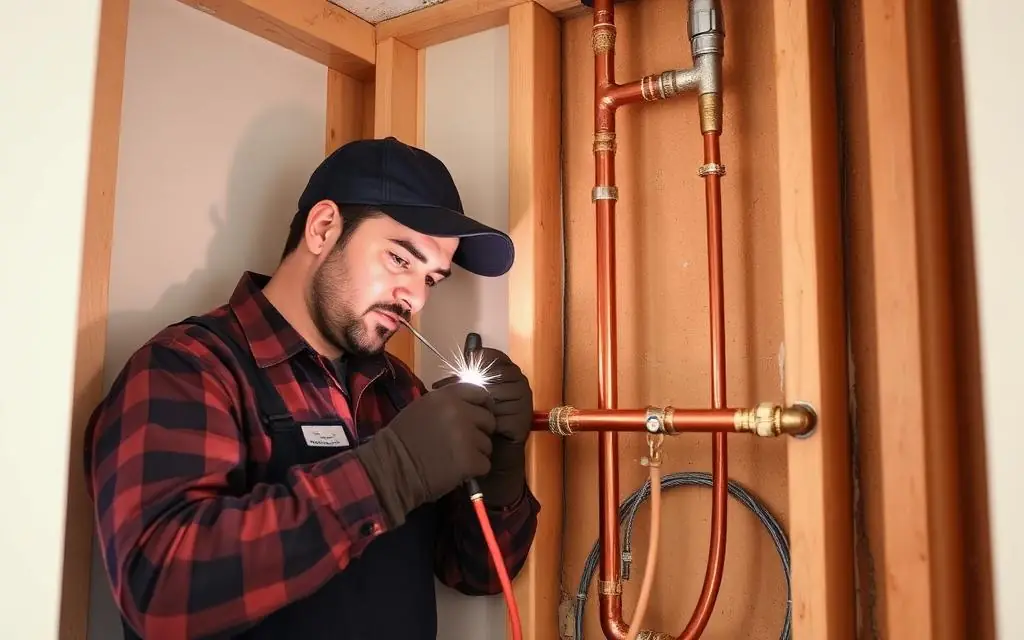
Supply pipework runs under pressure, so a fault announces itself either as visible water or as pressure and quality problems. Pipe Repair Services begins with locating the fault precisely, because opening walls speculatively is the expensive way to find a leak. Plumbers use acoustic listening equipment, thermal imaging, moisture meters and pressure isolation tests to narrow it down before anything is cut.
Once located, the decision is repair or replace. A single mechanical failure in otherwise sound pipe is a repair: cut out the damaged section, join in new material, pressure test, done. Repeated failures in the same run mean the material itself is at end of life, and patching becomes throwing money at a system that will fail again a metre away.
Certain materials force the decision. Kitec, installed widely in Canada between the mid-1990s and 2007, fails at its brass fittings through dezincification and is a known insurance concern. Lead service lines are a health issue, and many municipalities run replacement programs with cost sharing. Galvanised steel corrodes internally until pressure drops, and it can't be repaired back to health.
- Leak location using acoustic, thermal or pressure methods
- Isolating the affected run and confirming the material
- Section repair, partial repipe, or whole-house replacement
- Pressure testing before anything is closed up
- Drywall, tile and paint reinstatement, included or excluded
Compare quotes for pipe repair services from plumbers who locate first.
Symptoms worth acting on
A water meter that moves with every fixture closed is the clearest evidence of a hidden leak. Check it late at night: note the reading, use nothing for two hours, read it again. Any change means water is going somewhere.
Other signs are subtler. A warm spot on a floor over a hot supply line. A musty smell in one room. Paint bubbling low on a wall. Pressure that has dropped so gradually you only notice when you visit someone else's shower. Discoloured water after the house has sat unused, which points at corrosion inside the pipe.
Noise tells you things too. Banging when a tap closes is water hammer, usually fixable with arrestors, but it stresses joints over time. A persistent hiss in a wall with everything off is a pressurised leak. Rattling pipes are usually just loose straps, cheap to fix and worth doing before they wear through.
What drives the cost of pipe repair services
Access dominates, as it does across plumbing. Exposed pipe in an unfinished basement is straightforward. The same run inside a finished ceiling below a bathroom means cutting, working overhead in a tight cavity, and then paying someone to make it look like nothing happened.
Length and number of connections come next. A repipe is priced roughly by the number of fixtures served and the routing available; a house with an open basement and a straight-run layout costs far less to repipe than one with finished ceilings on every floor. Material choice, copper versus PEX, changes both price and installation time.
Restoration is the line item that most often separates quotes. Some plumbers leave you with neat access holes and a list of what needs patching; others include drywall repair and paint. Neither approach is wrong, but comparing one against the other without noticing the difference is how homeowners feel misled later.
- Whether the pipe is exposed or behind finished surfaces
- Length of run and number of fixtures affected
- Material: copper, PEX, or specialty replacement for Kitec or lead
- Leak detection time before any repair begins
- Drywall, tile and paint reinstatement, in or out of scope
- Permit where the service line or main is involved
Timelines and what to expect
A located, accessible leak repair is usually one visit of one to three hours. Detection alone can take an hour or more on a difficult case. Partial repipes run one to three days. A full house repipe is typically three to five days with water off for parts of each day, and the house stays liveable in most cases.
Expect the plumber to isolate and drain the affected section, cut cleanly, use approved fittings and transitions between dissimilar materials, then pressure test before closing anything. Watch for the transition detail specifically: copper joined directly to galvanised steel corrodes at the joint unless a dielectric fitting is used.
Ask for photos of the new pipework before the wall closes, and ask about insulation on lines running through unheated spaces, exterior walls, garages, crawl spaces, since that's where the next frozen pipe will happen if it's skipped.
Choosing the right plumber
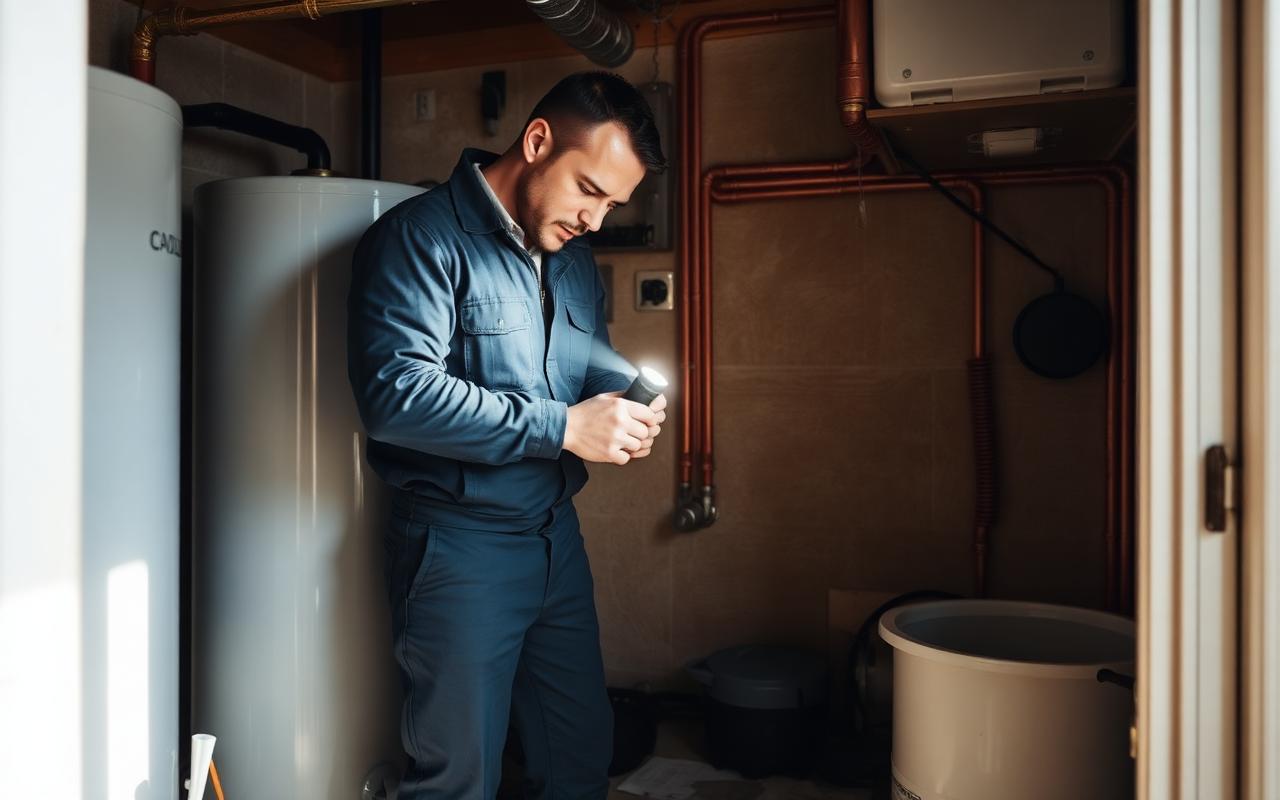
Confirm licence, liability insurance and workers' compensation coverage. Then ask about leak detection equipment specifically, because a company that owns acoustic and thermal gear opens fewer walls than one that doesn't, and that saving usually exceeds any difference in hourly rate.
For a repipe, ask to see the plan: routing, material, number of shutoffs added, and how the old system will be decommissioned. Ask about the workmanship warranty separately from the manufacturer's material warranty, and get both in writing.
- Verifiable provincial licence number
- Detection equipment on the truck, not just a hammer and a guess
- Written scope naming materials and routing
- Restoration responsibility stated explicitly
- Workmanship warranty separate from material warranty
One description, several quotes from plumbers who serve your address.