Proudly Canadian
Fireplace Refacing in Canada: what's involved, what it costs, and how to hire
CentFix
Updated regularly · Canada-wide
Most people searching for fireplace refacing want two things: someone who has done it before, and a number they can trust. Both are easier to get when you describe the job properly the first time.
CentFix is a matching service. You describe the job once and we connect you with independent chimney companies who serve your address. Licensing, insurance, warranties and reviews belong to the individual businesses that earned them.
Everything below is written for fireplace refacing specifically: scope, what pushes a price up or down, realistic timelines, the rules that apply in Canada, and the questions worth asking before anyone starts.
What fireplace refacing involves
Fireplace Refacing sits within chimney sweeping and inspection, so the same fundamentals apply: proper assessment first, then the work itself, then a check that the result holds up. A chimney sweep who quotes without looking is quoting the job they hope it is.
Sweeping removes creosote and soot from the flue using brushes and vacuum containment. How much builds up depends on the fuel, moisture content and how the appliance is run. Slow, smouldering fires with damp wood produce the most, and that heavier glazed creosote is the hardest to remove and the most dangerous.
Inspection is the diagnostic half. A basic inspection checks accessible portions of the chimney and connections. A more detailed inspection, often with a camera, examines the liner throughout for cracks, gaps and deterioration, and is what is recommended at a property sale or after a chimney fire or significant weather event.
- Chimney sweeping for wood fireplaces and stoves
- Level one and level two inspections with camera where needed
- Chimney cap and crown repair or replacement
- Liner inspection, repair and relining
- Masonry repointing and flashing repair
- Animal and debris removal from flues
What to expect when the chimney sweep arrives
The first visit for fireplace refacing is mostly about scope. Expect questions about how long the issue has been there, what's been done before, and how the space is used, because all three change the recommendation.
- A walkthrough or a few questions before anything is quoted, so the price reflects your property rather than an average
- A clear description of what's included in fireplace refacing and what would be treated as extra
- Protection of the surrounding area, and cleanup when the work is finished
- Written pricing, with a note of anything that could change once work is underway
- A plain answer on the warranty: how long it runs and what it actually covers
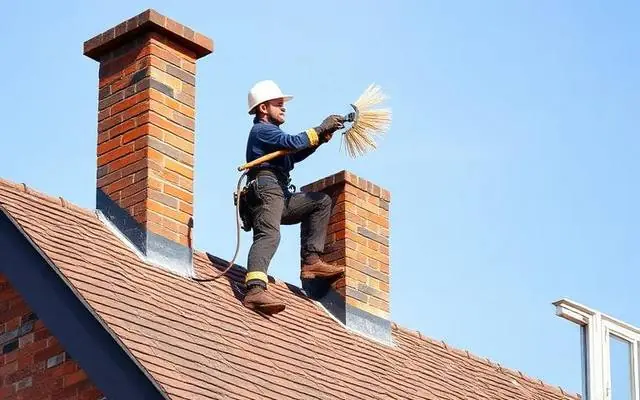
Describe the job once and independent chimney companies nearby come back with quotes you can compare.
What affects the price of fireplace refacing
A straightforward sweep and basic inspection is the base service. Heavy glazed creosote requires additional work and sometimes chemical treatment across multiple visits, and that is priced above a routine clean.
Access affects cost. Steep roofs, tall chimneys and difficult positions need more equipment and time, and safety requirements are non-negotiable for work at height.
Repairs are the variable. A cap is a modest item. Crown rebuilding, repointing and particularly relining are substantial jobs, with relining being the largest single expense most chimney owners encounter.
- Type of appliance and how much creosote has accumulated
- Whether glazed creosote requires additional treatment
- Inspection level, with camera inspection costing more
- Roof access, chimney height and safety requirements
- Repairs found, from caps and crowns to repointing
- Relining, which is the largest common repair
How long the work takes and how soon someone can come
A routine sweep and inspection takes about an hour. Camera inspections add time, and heavy creosote removal can take considerably longer.
Autumn is the busiest season by a wide margin, with everyone booking before the first cold snap. Booking in late spring or summer usually means better availability and often better pricing for repair work, which needs dry conditions anyway.
How to choose the right chimney sweep for this job
Look for certification. Chimney sweeping has recognised certification programmes, and a certified technician is trained to identify liner and structural issues rather than only clean the flue.
Ask for written findings with photographs. Nobody can see up their own chimney, so documentation is the only way to evaluate a recommendation for expensive work.
- Certification through a recognised chimney industry body
- Written inspection report with photographs
- Insurance covering work at height and inside the home
- Whether the quote includes inspection or only sweeping
- Containment used to keep soot out of the room
Questions to ask before you book fireplace refacing
You don't need to know the trade to ask good questions. These are the ones that tell you whether a company has actually thought about your job.
- Have you done fireplace refacing on a property like mine recently?
- Is this a sweep, an inspection, or both?
- What condition is the liner in, and can you show me?
- How much creosote was there, and what does that say about how we burn?
- Is the crown and cap sound?
- What repairs are urgent, and what can wait?
- How often should this chimney be swept given how we use it?
Compare quotes for fireplace refacing from chimney companies working in your area. It costs you nothing.
Permits, rules and who is allowed to do the work
Wood-burning appliance installations are governed by installation standards and often require permits and inspection. Insurance companies frequently ask about wood-burning appliances and may require a professional inspection, particularly on older installations or at a policy change.
Gas appliances vented through a chimney require a licensed gas technician for anything on the appliance side, and the venting requirements differ from wood.
Solid fuel appliance inspections carried out for insurance or real estate purposes are typically done by certified inspectors, and the report needs to meet the requirement being asked for.
Seasonal timing and Canadian conditions
Sweeping is best done at the end of the burning season or over the summer, which removes acidic deposits before they sit through the humid months and avoids the autumn rush entirely.
Masonry repairs need above-freezing conditions to cure, so crown work, repointing and flashing are summer jobs. Leaving them until October usually means waiting until spring.
Common mistakes that cost homeowners money
The pattern behind most chimney fires is straightforward: burning unseasoned wood, running slow smouldering fires, and going years between sweeps. All three build creosote faster than anything else.
- Burning unseasoned or wet wood
- Damping the fire down to smoulder overnight
- Skipping annual inspection because the fireplace seems fine
- Leaving a chimney uncapped, which admits rain and animals
- Ignoring a cracked crown, which lets water into the masonry
Keeping the work in good shape afterwards
Chimneys last a long time when water is kept out and the fires are burned properly. Almost every expensive chimney repair traces back to one of those two things being neglected.
- Burn only seasoned wood, ideally below twenty percent moisture
- Run hot, bright fires rather than damped smouldering ones
- Have the chimney inspected annually and swept as needed
- Keep a sound cap and an intact crown to keep water out
- Check flashing where the chimney meets the roof for leaks each year
Where CentFix fits in
CentFix does not do chimney sweep work. We take one clear description of your fireplace refacing job and put it in front of independent chimney companies who already work in your area, so you get several real quotes instead of spending an afternoon leaving voicemails.
Homeowners never pay us. The professionals you hear from run their own businesses, carry their own licensing and insurance, and stand behind their own work.