 Proudly Canadian
What to Do First When You Find a Water Leak
Where the shutoffs are, what to check, and when to call someone.
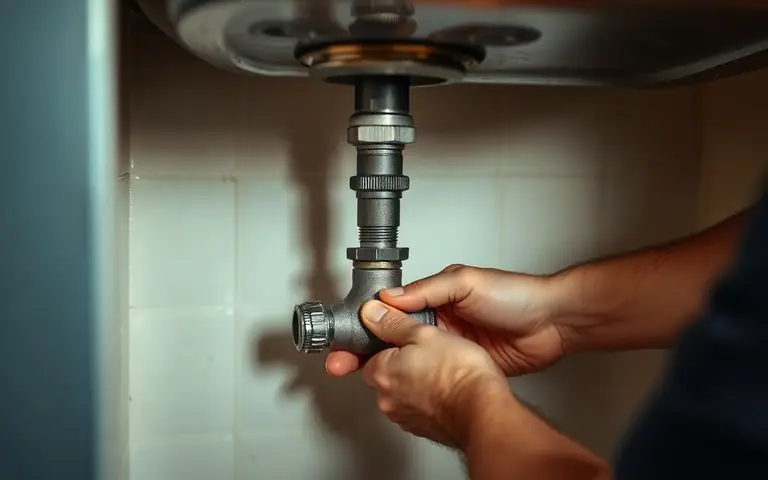
Water damage is the most common home insurance claim in Canada, and the difference between a nuisance and a five-figure repair is usually measured in minutes and days: how fast the water was stopped, and how fast the materials dried.
This is the order of operations that limits damage, plus how to figure out where the water is coming from and when the problem is beyond a bucket and a wrench.
First five minutes
Knowing where your main shutoff is before you need it is the whole game. It's usually in the basement or utility room on the street side of the house, near the meter. Turn it a quarter turn now to confirm it isn't seized, because a shutoff that won't move during an emergency is a very expensive discovery.
- Shut off the water. Use the local shutoff under the sink or behind the toilet if the leak is obviously there; otherwise go straight to the main.
- Cut power to the affected area at the panel if water is anywhere near outlets, fixtures or the ceiling below.
- Move furniture, rugs and anything absorbent out of the water.
- Contain what's still dripping with buckets and towels.
- Take photos and video before you clean anything up.
Find out where it's coming from
Supply leaks run continuously and get worse as long as the water is on. Drain leaks only appear when a fixture is used. That distinction narrows the search fast: if the ceiling stain grows while nobody is using water, it's a supply line.
Check the obvious sources in order. Under-sink connections and shutoff valves. Toilet base and tank bolts. Water heater tank and its relief line. Washing machine hoses, which are a leading cause of major flooding when the rubber ones fail. Dishwasher supply and drain. Then the less obvious: the humidifier line on the furnace, the condensate drain on an air conditioner, and any pipe running through an exterior wall.
If it's coming through a ceiling, the source is often not directly above the stain. Water travels along joists and pipes and drops at the first low point. The same is true of a wet basement wall, where the entry point can be metres from where it shows.
Is it a leak or is it condensation?
Not every wet surface is a leak. Cold water pipes sweat in humid basements. Toilet tanks sweat in summer. An air conditioner with a plugged condensate drain will overflow. A window that's wet on the inside in winter is usually indoor humidity, not a failed seal.
The test is simple: dry the surface completely, then watch. Condensation returns evenly across the cold surface. A leak returns at a point, and usually while water is being used.
Drying: the part people rush
Mould needs moisture, an organic surface and about 24 to 48 hours. Drywall, insulation, carpet underlay and engineered flooring all qualify. Wiping the surface dry isn't drying, because the water inside the wall cavity is what matters.
Get air moving. Fans pointed at the wet area, a dehumidifier running continuously, and if the weather allows it, open windows. Pull baseboards and drill or cut inspection holes low on the wall if the cavity is wet, since a closed cavity will not dry on its own.
Wet fibreglass insulation loses its R-value and holds water; it generally comes out. Carpet underlay that's been soaked usually comes out too. Solid wood can sometimes be saved with fast, aggressive drying; laminate almost never is.
If the affected area is larger than roughly a square metre or two, or the water sat for more than a couple of days, a restoration company with moisture meters and commercial drying equipment is a reasonable call. They can measure whether the framing is actually dry rather than guessing.
Clean water, grey water, black water
Clean water from a supply line is the best case, and standard drying applies. Grey water from a washing machine, dishwasher or shower drain carries contaminants and calls for disinfection and usually disposal of porous materials.
Black water, sewage backup or flood water from outside, is a health hazard. Don't handle it yourself. Porous materials it touched, drywall, insulation, carpet, are removed, not dried. Protective equipment matters here, and most insurers expect professional remediation.
Insurance
Report the loss promptly, most policies require it. Sudden and accidental water damage, a burst pipe, an overflowing appliance, is typically covered. Gradual leaks that were left unaddressed, and damage from lack of maintenance, typically aren't. Sewer backup and overland flooding are usually separate endorsements you either have or don't.
You're expected to mitigate, meaning stop the water and start drying rather than wait for an adjuster. Keep receipts for fans, dehumidifier rental, a plumber's emergency call, and temporary accommodation if it comes to that. Photograph the damage before removal and keep a sample of the damaged material if you can.
When to call a plumber immediately
A frozen pipe deserves special mention. If a tap produces nothing on a cold day and you suspect a freeze, shut off the main before thawing, because the split usually reveals itself the moment the ice melts. Thaw gently with a hair dryer or heat lamp, never an open flame.
- You can't stop the water, or the main shutoff won't close.
- Water is coming up through a floor drain or backing up in multiple fixtures.
- A pipe has burst inside a wall or ceiling.
- The water heater is leaking from the tank body rather than a fitting.
- There's water near the electrical panel.
- Any leak involving a gas water heater's venting or the furnace.
Preventing the next one
Replace rubber washing machine hoses with braided stainless, and do it on a schedule rather than after they fail. Check under-sink connections a couple of times a year. Watch for rust at the base of the water heater, since tanks give warning before they let go, and know that most last eight to twelve years.
Insulate pipes in unheated spaces before winter, and drain outdoor taps in the fall. If you have a basement, a sump pump with a battery backup and a backwater valve on the sewer line are the two upgrades that prevent the worst claims.
Water leak detectors are inexpensive now. A few sensors under the sinks, behind the washer and near the water heater will text you about a slow leak long before it reaches the ceiling below, and whole-home automatic shutoff valves are increasingly common on renovation projects.
Common questions
In most Canadian homes it's in the basement or a utility room on the wall facing the street, next to the water meter. In slab homes it may be in a mechanical closet or garage. Locate it now and confirm the valve turns.
A small area, yes, with fans and a dehumidifier and by opening the cavity so air reaches inside. Larger areas or water that sat more than a day or two are better handled by a restoration company with moisture meters.
Often not. Most policies cover sudden and accidental damage but exclude gradual seepage. It varies by insurer and policy wording, so report it and let them assess rather than assuming either way.
Growth can begin within 24 to 48 hours on damp organic materials. That window is why drying speed matters more than almost anything else you do.