 Proudly Canadian

Poly-B Plumbing in Canadian Homes: Insurance and Repiping
How to spot grey polybutylene pipe and what whole-home repiping involves.
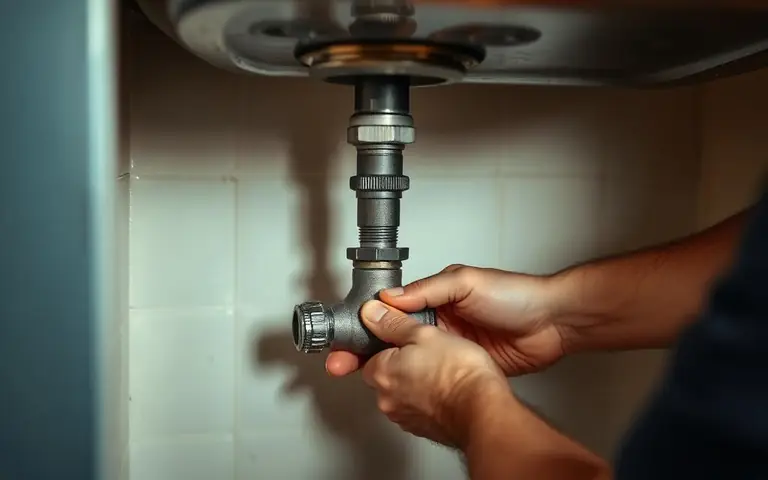
If an insurance company has asked whether your home has Poly-B, you're not alone. Grey polybutylene pipe was widely installed across Canada, especially in western provinces, and it has a history of sudden leaks.
Here's how to identify it and what replacing it involves.
How to identify Poly-B
Look at exposed pipes near the water heater, under sinks and at the main shutoff. Poly-B is usually flexible grey plastic, sometimes stamped with PB2110. Fittings may be plastic or metal crimp rings.
Some homes have Poly-B in walls and ceilings even if the visible sections were replaced. A plumber can check more thoroughly.
Why it's a concern
Poly-B can become brittle over time, and older fittings are prone to failure. When it fails, it can leak heavily before anyone notices, which is why insurers treat it as a risk.
What repiping involves
- Planning the new route for supply lines
- Opening small sections of drywall to run new pipe
- Installing PEX or copper and new shutoffs
- Pressure testing
- Patching and painting the openings
Working with your insurer
Ask your insurer what documentation they need after replacement, usually an invoice describing the work. Keep photos and the plumber's details on file for future buyers too.
Common questions
Not always. Have a plumber confirm before making decisions.
It's sometimes done, but insurers usually look for full removal.
Many homes take a few days, depending on size and access.