 Proudly Canadian

Installing a Level 2 EV Charger at Home in Canada
Load calculations, panel capacity, load management and permits.
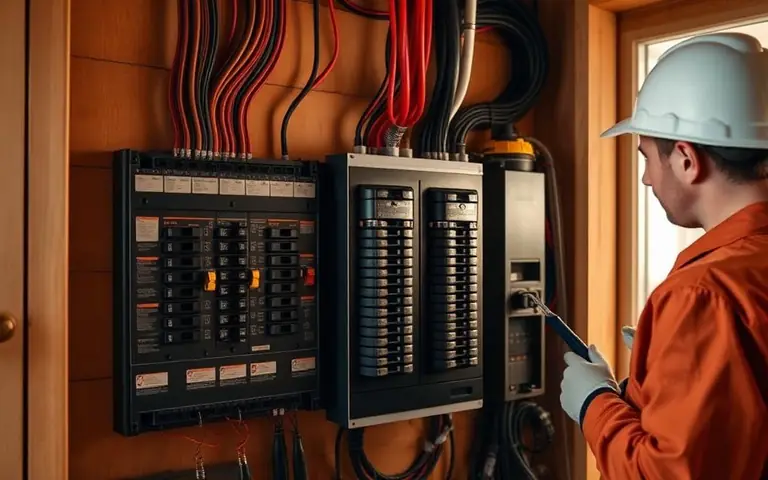
Plugging an electric vehicle into a regular outlet works, but slowly. Most EV owners end up wanting a Level 2 charger in the garage or driveway.
The big question is whether your home's electrical service can handle it.
What a Level 2 charger needs
A dedicated 240-volt circuit sized to the charger, a suitable location, and wiring that meets your provincial electrical code. Outdoor chargers need weather-rated equipment.
The load calculation
An electrician adds up your home's existing loads, like the furnace, range, dryer, air conditioning and hot tub, and checks whether there's enough capacity left for the charger.
Many homes have room. Older homes with smaller services may not.
Options if capacity is tight
- Lower the charger's amperage setting
- Install a load management device that pauses charging when other loads run
- Upgrade the electrical service with your utility
Permits and rebates
Your electrician should pull the electrical permit and arrange inspection. Some provinces and utilities have offered charger rebates. Check current programs before buying the charger, since some require approved models.
Common questions
Provincial rules vary, but permits and inspections are generally required. Hiring a licensed electrician is the safe route.
Close to where you park, with the cable reaching the charge port without stretching.
Only if the load calculation shows there isn't enough capacity or the panel is in poor condition.