 Proudly Canadian

How to Stop and Prevent Ice Dams on Canadian Roofs
Why ice builds at the eaves and why the real fix is usually in the attic.
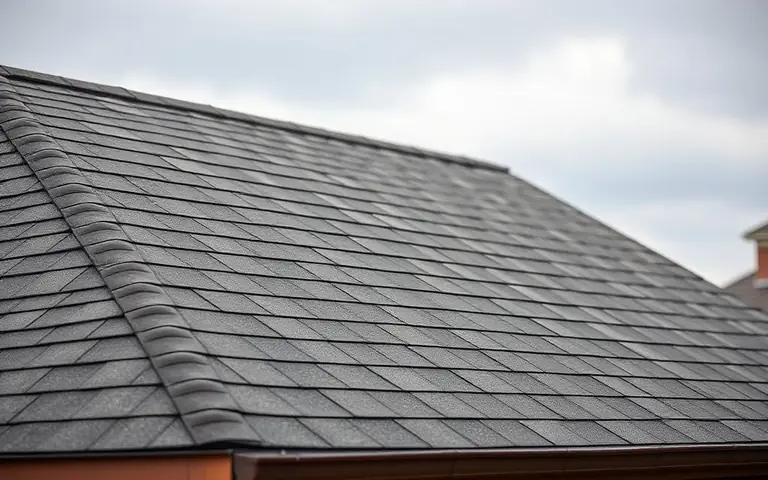
That thick ridge of ice along the edge of the roof, with icicles hanging off it, is more than a winter look. Melting snow backs up behind it and works its way under shingles, into the soffits and sometimes down the inside of your walls.
The good news is that most ice dams have the same cause, and fixing that cause usually stops them for good.
Why ice dams form
Heat escapes from the house into the attic through gaps around light fixtures, plumbing stacks, the attic hatch and bathroom fans. That warms the roof deck, melting the bottom layer of snow. The water runs down to the overhang, which sits over cold outside air, and freezes there.
Each melt-freeze cycle builds the ridge higher. Canadian winters, with long stretches of snow cover and swings around zero, are ideal conditions.
What to do when you already have one
- Pull snow off the lower few feet of roof with a long-handled roof rake from the ground
- Don't chop at the ice with a hammer or axe. It damages shingles
- If water is coming inside, catch it, move valuables, and note where the stain appears
- Hire a roofer who uses low-pressure steam if the ice has to come off quickly
The long-term fix is in the attic
An insulation or roofing contractor will usually start by sealing air leaks from the living space, then topping up insulation and checking that soffit vents aren't blocked so cold air can flow under the roof deck.
Bathroom and kitchen fans that vent into the attic instead of outside add moisture and heat. Rerouting them is a common part of the job.
Protection at the roof edge
When a roof is replaced, an ice and water membrane along the eaves gives a second line of defence if a dam does form. Heat cables can help on problem spots, but they treat the symptom and use electricity all winter.
Common questions
Not always, but large icicles along the eaves together with a thick ice ridge usually point to heat loss from the attic.
Coverage varies by policy. Call your insurer, take photos, and keep records of any repairs.
For the cause, an insulation contractor or a roofer who does attic ventilation. For active leaks, a roofer.