 Proudly Canadian

How to Safely Thaw Frozen Pipes and Prevent a Burst
Find the frozen section, thaw it without a flame, and stop it happening again.
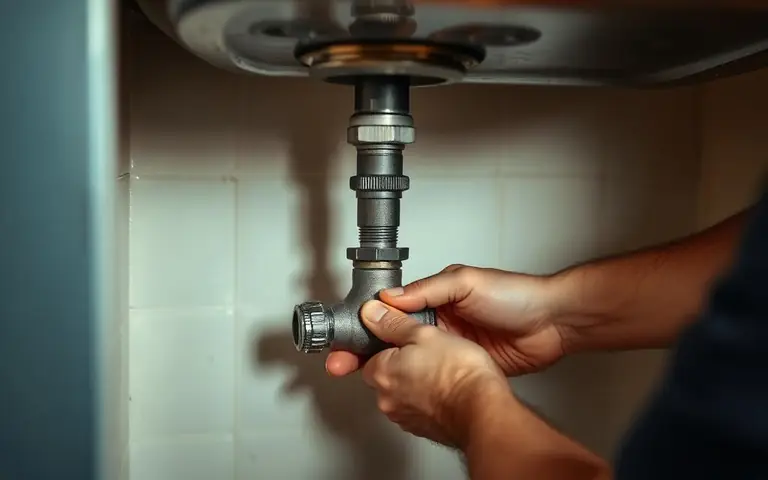
You turn on the kitchen tap on a minus-thirty morning and get a trickle, or nothing at all. That usually means ice is blocking a line somewhere between the shutoff and the faucet. The pipe may be fine, or it may already be split and waiting to flood the room once it thaws.
Here's how to find the frozen section, thaw it safely, and keep it from happening again.
Find out whether the pipe has burst
Before you thaw anything, know where your main shutoff is. It's usually where the water line enters the house, often in the basement near the front wall or beside the water meter.
Look along the exposed pipe for bulges, frost patches or hairline splits. If you see damage, shut off the main before you start warming the line. A split pipe often doesn't leak until the ice inside melts.
Thaw the line the safe way
Open the faucet the line feeds, then work from the tap end back toward the frozen section so water can escape as the ice softens.
- A hair dryer or heat gun on low, kept moving
- Towels soaked in hot water, wrapped around the pipe
- A portable heater placed safely away from anything that can burn
- Electric heat tape rated for the pipe material
What not to do
Never use a propane torch, barbecue lighter or open flame. It can ignite framing inside the wall and can overheat the pipe to the point of failure. Don't leave a space heater running unattended in a crawlspace.
If the frozen section is inside a finished wall or ceiling and you can't reach it, raise the room temperature and call a plumber rather than cutting into drywall blind.
Stop it from happening again
Pipes freeze where cold air reaches them: outside walls, unheated crawlspaces, garages and kitchen sinks on exterior walls. Foam pipe insulation, sealed rim joists and keeping cabinet doors open on very cold nights all help.
Shut off and drain outdoor hose bibs each fall unless you have frost-free fittings. If one line freezes every winter, ask a plumber about rerouting it or adding heat cable.
Common questions
A slow drip on a line that's prone to freezing keeps water moving and can relieve pressure. It's a short-term measure, not a fix for a poorly protected pipe.
Check which fixtures still run. If only one tap is affected, the frozen section is on the branch feeding it, usually where it passes an outside wall.
Call when you can't reach the frozen section, when a pipe has split, or when you can't find or close the main shutoff.