 Proudly Canadian
Get Your Home Ready for a Canadian Winter
A room-by-room checklist before the first freeze hits.
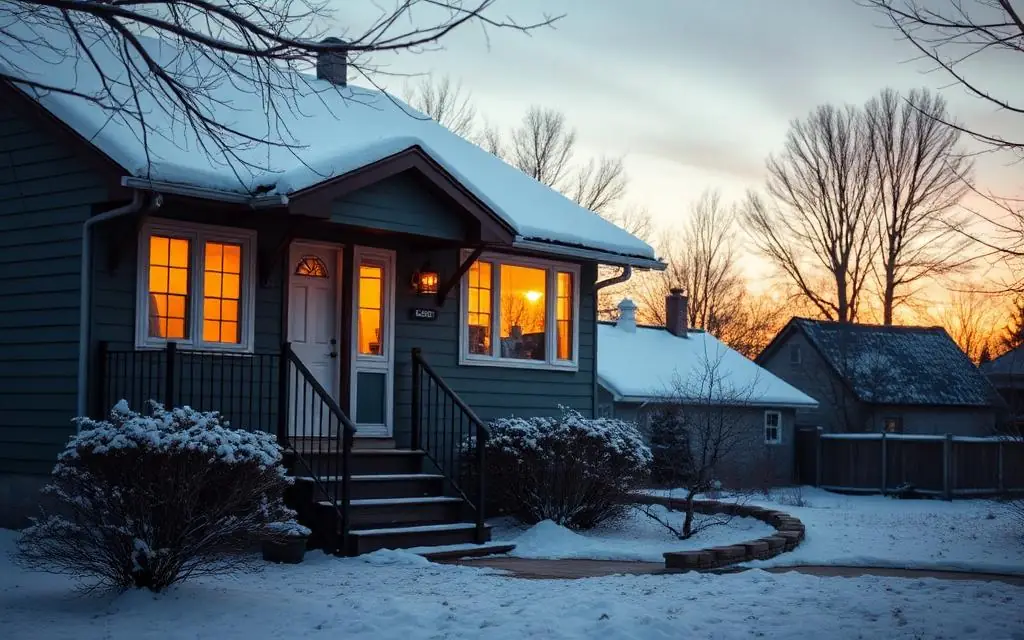
Canadian winters find every weakness in a house. Water that would drain harmlessly in July freezes, expands, and lifts shingles. A furnace that struggled quietly in October fails at minus twenty. A gap around a rim joist that costs nothing to seal costs a few hundred dollars a season in heat.
The point of a fall checklist isn't perfection. It's catching the handful of things that turn into expensive emergencies, and doing them while contractors still have availability and the ground isn't frozen.
Heating: the one thing to do first
Have the furnace or boiler serviced before the heating season, ideally in September or early October. A technician cleans and inspects the burners, checks the heat exchanger for cracks, tests the ignition and safety controls, verifies gas pressure and confirms the flue is clear. On a heat pump they'll check refrigerant charge and defrost operation.
Two reasons for the timing. First, a cracked heat exchanger is a carbon monoxide risk, and you want it found on a mild day when replacement can be planned. Second, once the first cold snap hits, every HVAC company in your city is running emergency calls and a routine tune-up moves to the back of the queue.
Change the filter and keep spares. A dirty filter restricts airflow, which makes the furnace short cycle and, in a bad case, trips the high-limit switch. In a home with pets, monthly is not excessive.
Test carbon monoxide alarms and replace them if they're past their date, typically seven to ten years. Any home with a fuel-burning appliance or an attached garage needs a working CO alarm outside the sleeping areas.
Water: pipes, taps and shutoffs
Disconnect and drain every garden hose, then shut off the interior valve feeding each outdoor tap and open the tap to drain the line. A hose left attached traps water in the spigot, and when that freezes it splits the pipe, usually inside the wall, where it goes unnoticed until spring.
Insulate exposed pipe in unheated spaces, crawl spaces, garages, attics, exterior walls in older homes. Foam sleeves are inexpensive. In a genuinely cold spot, self-regulating heat cable is worth considering.
Know where the main shutoff is and confirm it turns. If it's seized, get it replaced now rather than during a burst. On a related note, an older shutoff at a laundry hookup or under a sink often seizes too.
Drain irrigation systems and blow out the lines if you have them, and shut down and drain outdoor kitchens or pool lines according to the manufacturer's directions.
Roof, gutters and ice dams
Ice dams form when heat escapes into the attic, melts snow on the upper roof, and the meltwater refreezes at the cold eaves. Water backs up under the shingles and finds its way into the ceiling. The fix is not a heated cable, it's attic insulation and air sealing.
Before the snow arrives, clear gutters and downspouts so meltwater has somewhere to go, and make sure downspouts discharge well away from the foundation. Check that the attic has continuous soffit and ridge ventilation and that insulation isn't blocking the soffit vents.
From the ground, look for lifted, curled or missing shingles, damaged flashing at chimneys and vents, and any sagging in the roof line. Small repairs are cheap in October and nearly impossible in January.
If you have a chimney, get it inspected and swept before you use a wood stove or fireplace. Creosote buildup is the main cause of chimney fires, and a cracked liner can vent combustion gases into the house.
Air sealing and insulation
Air leakage, not conduction, drives a surprising share of heating cost in older Canadian homes. Feel for drafts on a windy day around window and door frames, electrical outlets on exterior walls, attic hatches, and where pipes and wires pass through the basement rim joist.
The rim joist is often the biggest single opportunity in a house and is easy to reach. Weatherstripping on doors, caulk at trim, and an insulated cover on the attic hatch are all inexpensive and immediate.
Attic insulation is the next tier. Many homes built before the 1990s have well under current recommended levels. Topping up is one of the more cost-effective upgrades available, and it also reduces ice damming.
Reverse ceiling fans to run clockwise on low. It pushes warm air down off the ceiling without creating a draft, which makes a real difference in rooms with high ceilings.
Doors, windows and the exterior envelope
- Replace worn weatherstripping and door sweeps.
- Re-caulk exterior gaps where trim meets siding, while temperatures are still above the caulk's minimum.
- Check that storm windows or window film are in place before the first freeze.
- Look for failed sealed units, condensation between panes, and plan replacement for spring.
- Confirm the grading around the foundation still slopes away from the house.
Yard, driveway and the stuff outside
Trim branches that overhang the roof or driveway. Ice loading brings down limbs that looked fine in summer, and a branch resting on the roof will wear through shingles.
Seal significant driveway cracks before freeze-thaw widens them. Water in a crack expands when it freezes, and by spring a hairline is a chip.
Store or cover patio furniture, shut down and drain the outdoor kitchen, and put the snow shovel, ice melt and roof rake somewhere you can reach before the first storm rather than behind the summer equipment.
If you use a generator, run it now and confirm it starts. If you rely on a sump pump, test it and consider a battery backup, since winter power outages and a January thaw are a bad combination.
Inside the house
Check that supply and return vents aren't blocked by furniture or rugs, and keep interior doors open enough for return air to circulate. Closed-off rooms are the usual explanation for a cold bedroom that has nothing to do with the furnace.
Reverse the humidifier back on if you have one, and aim for indoor humidity around 30 to 40 percent in cold weather. Higher than that and you'll get condensation and frost on windows; much lower and you get dry air, static and shrinking trim.
Test smoke alarms and change the batteries. Bleed hot water radiators if you have a boiler system and hear gurgling or find cold spots at the top of a radiator.
What to hire out and what to do yourself
Reasonable DIY: filters, weatherstripping, caulking, hose disconnection, gutter clearing on a single storey with proper ladder safety, alarm testing.
Worth hiring: furnace and boiler service, chimney inspection, roof repairs, attic insulation and air sealing, anything requiring you to work at height on a steep or two-storey roof.
The economics favour booking the professional work in early fall. Rates are normal, schedules are open, and you're not paying an emergency premium at eleven at night in February.
Common questions
Early fall, before the first sustained cold. Companies fill up quickly once the heating season starts, and a problem found in September can be repaired on a normal schedule.
Address the cause rather than the symptom. Air seal and insulate the attic floor so heat isn't melting snow from below, keep soffit and ridge ventilation clear, and make sure gutters and downspouts are clean before winter.
Keep the house at a minimum of about 13 to 15 degrees Celsius so pipes don't freeze, and have someone check on it regularly. Many insurance policies require periodic checks during an extended absence, so read your policy.
For most older homes, yes. It's a small, accessible area responsible for a disproportionate amount of air leakage, and the improvement in comfort on the main floor is noticeable.