 Proudly Canadian

Backwater Valve Installation and City Flood Subsidies
How backwater valves stop sewer backups and how city subsidy programs work.
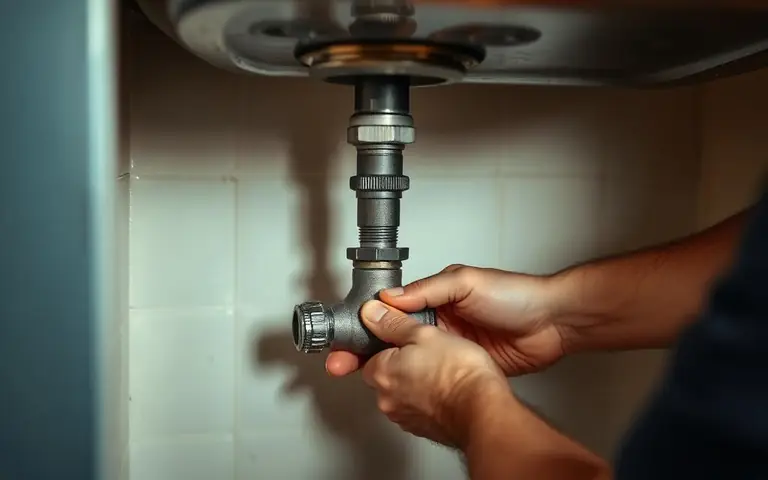
When heavy rain overwhelms a municipal sewer, water can flow backwards into homes through floor drains. A backwater valve on your sewer line is one of the most effective protections.
Here's what the installation involves and how city programs typically work.
What a backwater valve does
It's a one-way valve installed on the main sewer line inside your basement. Sewage can flow out, but when the city line backs up, a flap closes to keep it from coming in.
A mainline normally-open valve is the type most commonly recommended, since it lets the home's plumbing vent normally.
What installation involves
- A camera inspection of the sewer line
- Building permit from your municipality
- Cutting and removing part of the basement floor
- Installing the valve with an access cover for cleaning
- Inspection, then patching the concrete
City subsidy programs
Cities including Toronto, Ottawa, Calgary and Edmonton have offered basement flooding protection programs, sometimes covering backwater valves, sump pumps and downspout disconnection. Amounts, eligibility and paperwork vary and change over time.
Search your city's website for basement flooding protection, read the current rules, and ask your plumber whether they've worked with the program before.
Maintaining it
Open the access cover and check the flap at least once a year. Debris can keep it from closing. Never run water heavily while the valve is closed during a storm, since it has nowhere to go.
Common questions
Some insurers do, or require one for sewer backup coverage. Ask yours.
Often a day or two, plus inspection timing.
Most municipalities require permits and some subsidy programs require a licensed plumber. Check first.