 Proudly Canadian
A Spring Maintenance Checklist for Canadian Homes
Gutters, grading, and the small fixes worth doing after the thaw.
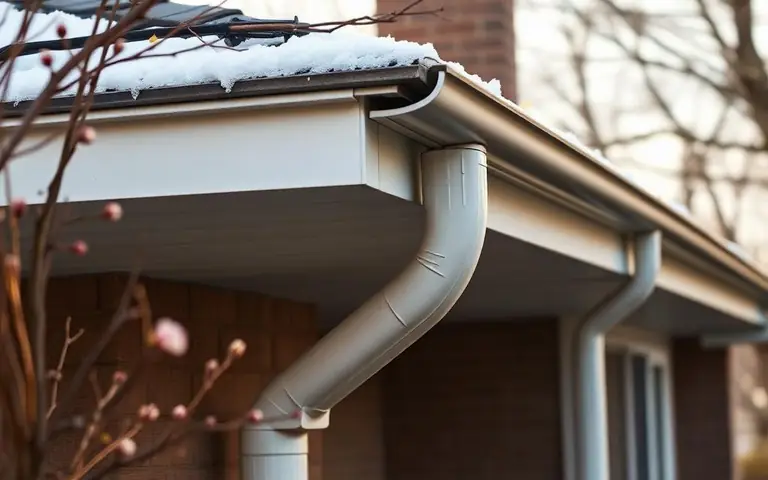
Spring is when a Canadian house shows you what winter did to it. Freeze-thaw cycling opens cracks, ice damming leaves stains, road salt eats concrete, and the melt tests every drainage decision anyone ever made around the foundation.
This is the walk-around worth doing once the snow is off, organized from the outside in, with notes on which items are genuinely urgent and which can wait for the long weekend.
Foundation, grading and drainage
Start here, because water against the foundation causes the most expensive problems and spring is when it happens. Walk the perimeter and check that the ground slopes away from the house, roughly 15 centimetres of fall over the first two metres. Settled soil next to the foundation directs meltwater straight down the wall.
Look for new cracks in the foundation. Fine vertical hairlines are common and usually shrinkage. Horizontal cracks, stair-step cracking in block, or any crack wider than about five millimetres warrants a professional opinion.
Check that downspouts extend at least two metres from the house and that extensions weren't knocked off by snow removal. Clear window wells of debris and confirm their drains still work.
Inside, look along the basement walls and floor for efflorescence, that white powdery residue, and for damp spots. It's much easier to trace a leak while the ground is still saturated.
Sump pump and backwater valve
If you have a sump pump, test it now. Pour a bucket of water into the pit and confirm it starts, discharges and shuts off. Check that the discharge line isn't still frozen and that it empties well away from the foundation, not back into the weeping tile.
Pumps last roughly seven to ten years, and they fail during the exact storm you needed them for. A battery backup or water-powered backup is a sensible upgrade in a finished basement, since power outages and heavy rain arrive together.
If you have a backwater valve on the sewer line, check that the flap is clear. If you don't and your municipality has a history of sewer backups, look into whether a subsidy program exists locally.
Roof, gutters and eaves
From the ground with binoculars, look for shingles lifted or lost over winter, damage at the eaves from ice, missing granules, and flashing that's pulled away at the chimney or vents.
Water stains on interior ceilings near exterior walls point to ice damming rather than a shingle failure. That's an attic insulation and ventilation issue, and spring is the right time to plan it.
Clean gutters of the debris that accumulated over winter, and flush downspouts to confirm they run clear. Check the fascia and soffit for rot or damage, and make sure soffit vents aren't blocked by insulation from inside.
Exterior surfaces
- Inspect siding for cracks, loose panels, or spots where ice damaged the surface.
- Re-caulk gaps around windows, doors and penetrations once temperatures are consistently above the product's minimum.
- Look for peeling paint on wood trim, since exposed wood absorbs water fast.
- Check the driveway and walkway for spalling from road salt, and seal cracks before summer heat widens them.
- Inspect the deck: loose boards, popped fasteners, wobbly railings, and rot where posts meet the ground.
- Check the chimney crown and masonry for damage from freeze-thaw.
Air conditioning and ventilation
Before the first hot week, uncover the outdoor condenser, clear leaves and debris from around it, and rinse the coil gently with a hose from the inside out. Keep about half a metre of clearance on all sides.
Change the furnace filter, and if the system has a humidifier, close the damper for summer and clean or replace the pad. Check that the condensate drain is clear, since a blocked one will overflow the first humid day.
Book professional AC service if the system is more than a few years old or if last summer it struggled. Like furnace service in the fall, the queue gets long the week the heat arrives.
Plumbing after the freeze
Turn the outdoor taps back on and watch inside the house while someone runs the water. A pipe that split over winter often shows itself the moment pressure returns, and finding it while you're standing there is much better than finding it later.
Check under sinks and around the water heater for drips. Look at the base of the water heater for rust. Test the pressure relief valve if you're comfortable doing so.
Start up irrigation systems slowly and walk the zones looking for broken heads and leaks from winter heaving.
Yard and trees
Look up before you look down. Winter loading breaks limbs that hang on until a spring windstorm. Anything overhanging the roof, the driveway or a power service line is worth having an arborist assess.
Rake back mulch and soil that has piled against siding, since wood siding in contact with soil rots and it's a route for insects. Keep at least 15 centimetres between grade and any wood.
Clear the debris that collected under decks and against the foundation, and check for signs of animals that moved in over winter, chewed soffit corners, disturbed insulation, or nesting under the deck.
Inside the house
- Test smoke and carbon monoxide alarms and replace batteries.
- Check the dryer vent and clean the duct run, a common fire cause and an easy spring job.
- Inspect window and door weatherstripping for wear before the AC season.
- Look at basement window wells and any below-grade doors for water entry.
- Reverse ceiling fans to counterclockwise for summer.
- Check attic access for signs of moisture, frost damage or displaced insulation.
What to hire out
Reasonable DIY: gutter cleaning at single-storey height, filter changes, caulking, sump pump testing, dryer vent cleaning, yard work.
Worth a professional: foundation cracks that are widening or horizontal, roof repairs, tree work near power lines, AC service, and any persistent basement water problem, since the fix depends on correctly identifying whether it's surface water, hydrostatic pressure or a plumbing leak.
Booking in April and May also means normal pricing. Roofers, HVAC companies and landscapers all get considerably busier, and more expensive, by midsummer.
Common questions
Once the snow has cleared and the ground is no longer frozen, typically April in most of the country. Drainage and foundation checks are worth doing while the soil is still saturated, since that's when problems reveal themselves.
Look at surface water first, grading, downspout extensions, blocked window well drains. Those cause a large share of basement water and are the cheapest to fix. If the basics are correct and water still comes in, get a professional assessment before excavating anything.
Look for lifted or missing shingles, damage along the eaves, and interior ceiling stains near exterior walls. Staining near the outside wall usually indicates ice damming rather than a failure in the middle of the roof.
Use it carefully. High pressure forces water behind siding and can gouge softwood decking. A lower pressure setting with an appropriate cleaner does the job with far less risk.